







WhatsApp is introducing a new set of optional parental controls designed to give families more ways to guide how teenagers use the messaging platform while keeping their private conversations protected.
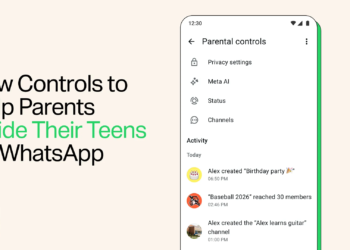
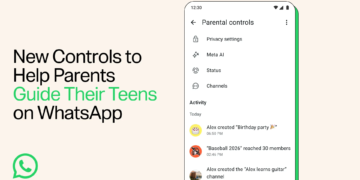
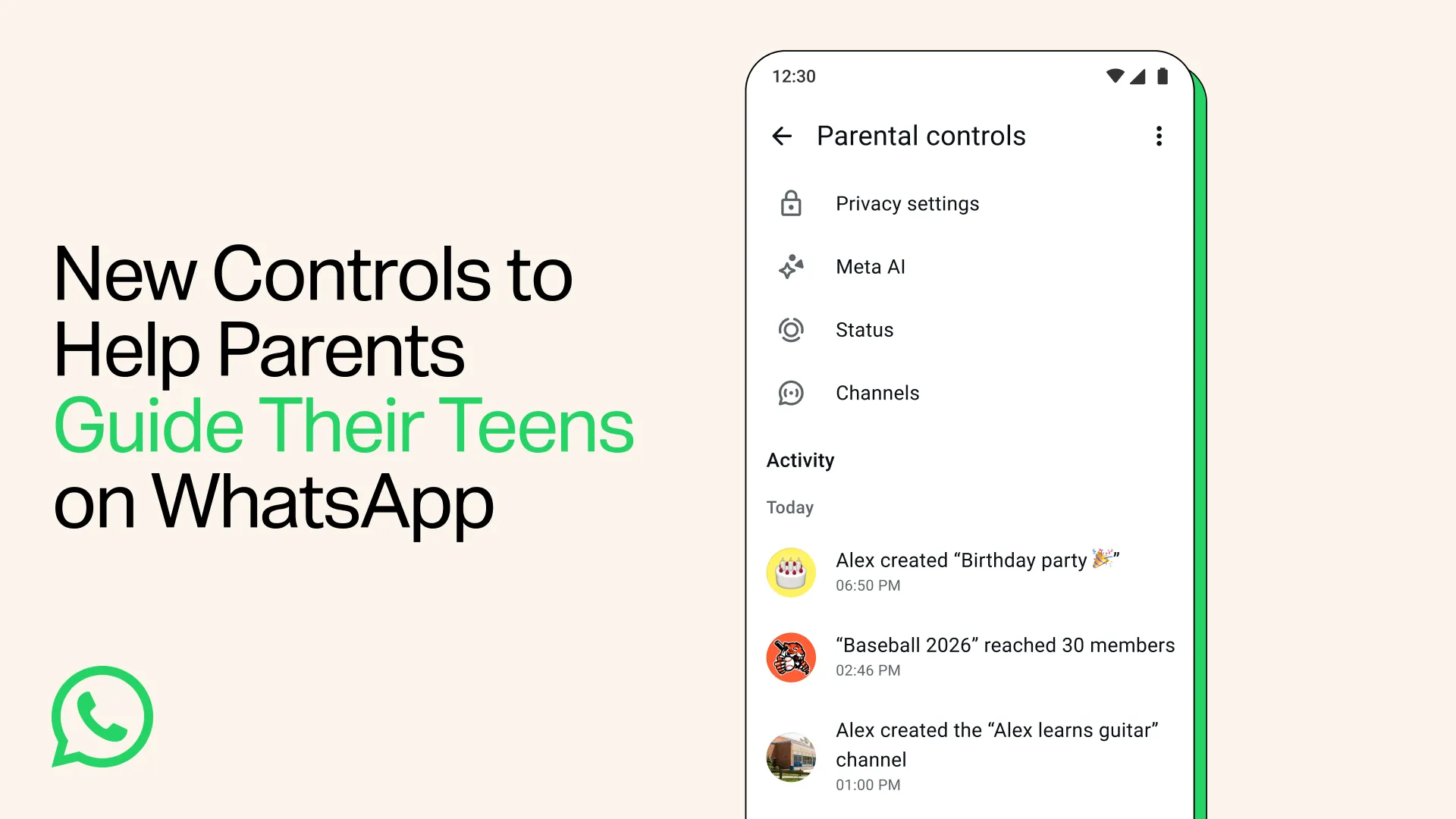
The new controls allow parents and teens to establish privacy settings together. Parents can determine who can view a teen’s profile photo, who can add them to groups, and other privacy preferences. If a teenager wants to loosen certain restrictions, parental approval through a parent-created PIN will be required.
WhatsApp is also giving parents more visibility into their teen’s group activity without providing access to private messages. Parents can receive notifications when their teen joins or leaves a group, as well as when a group they belong to experiences a significant increase in membership.
Additional controls cover WhatsApp Channels and Status updates. Parents can decide how their teen uses Channels, including which Status updates they can view and who can view their own Status updates. The controls also extend to Meta AI, allowing parents to choose between the standard 13+ experience and a stricter “Limited Content” option.
WhatsApp says the controls are being introduced gradually and will evolve based on feedback from families. The company is positioning the system as a way to encourage conversations between parents and teenagers about responsible digital communication rather than as a tool for monitoring private conversations.
Privacy remains a central part of the update. Even when parental controls are enabled, a teen’s personal messages and calls remain protected by end-to-end encryption. Parents do not receive access to the contents of private conversations, and WhatsApp says no one outside a chat can read or hear those communications.
The controls are also optional, allowing families to decide how much guidance is appropriate for their circumstances. Parents can adjust the settings or turn them off as their teen becomes more independent.
For marketers and digital platforms, WhatsApp’s approach reflects a broader shift toward giving families more control over the way younger users interact with social and messaging services. The challenge is finding the right balance between safety, parental oversight, privacy, and teen independence. By keeping private conversations encrypted while adding controls around account settings and group activity, WhatsApp is attempting to address that balance without turning the platform into a parental surveillance tool.