





OpenAI is moving to broaden access to ChatGPT as it positions AI as a personal assistant available to everyone, not just those who can afford premium tools. The company says access to advanced AI will play a critical role in determining whether artificial intelligence narrows or widens existing opportunity gaps.
As part of that effort, OpenAI has expanded its low-cost subscription, ChatGPT Go, to the U.S. and all markets where ChatGPT is available. Priced at $8 per month, the plan offers expanded messaging, image generation, file uploads, and memory features. The Go tier has already launched in 171 countries since August, signaling OpenAI’s push toward global accessibility alongside its free offering.
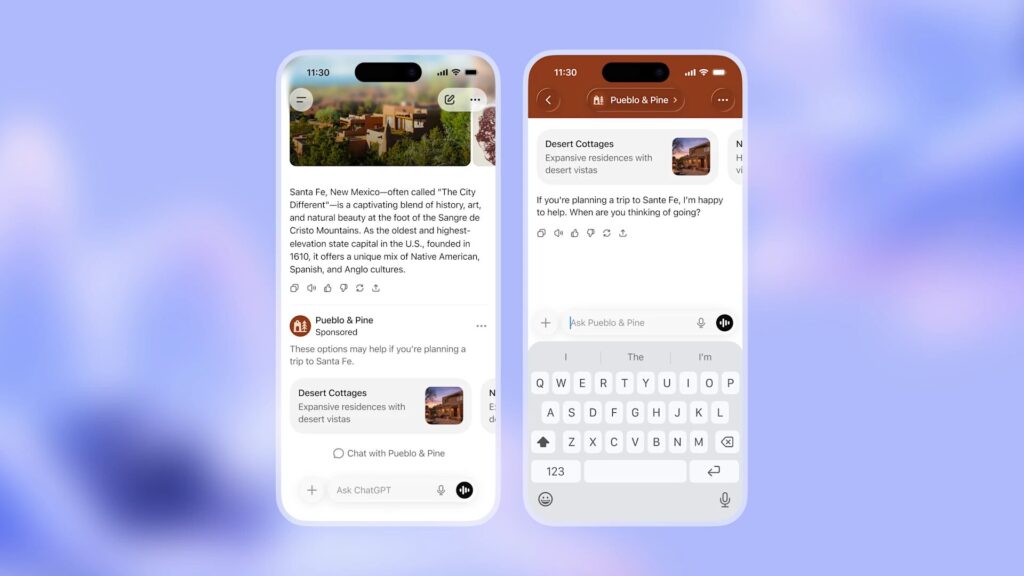
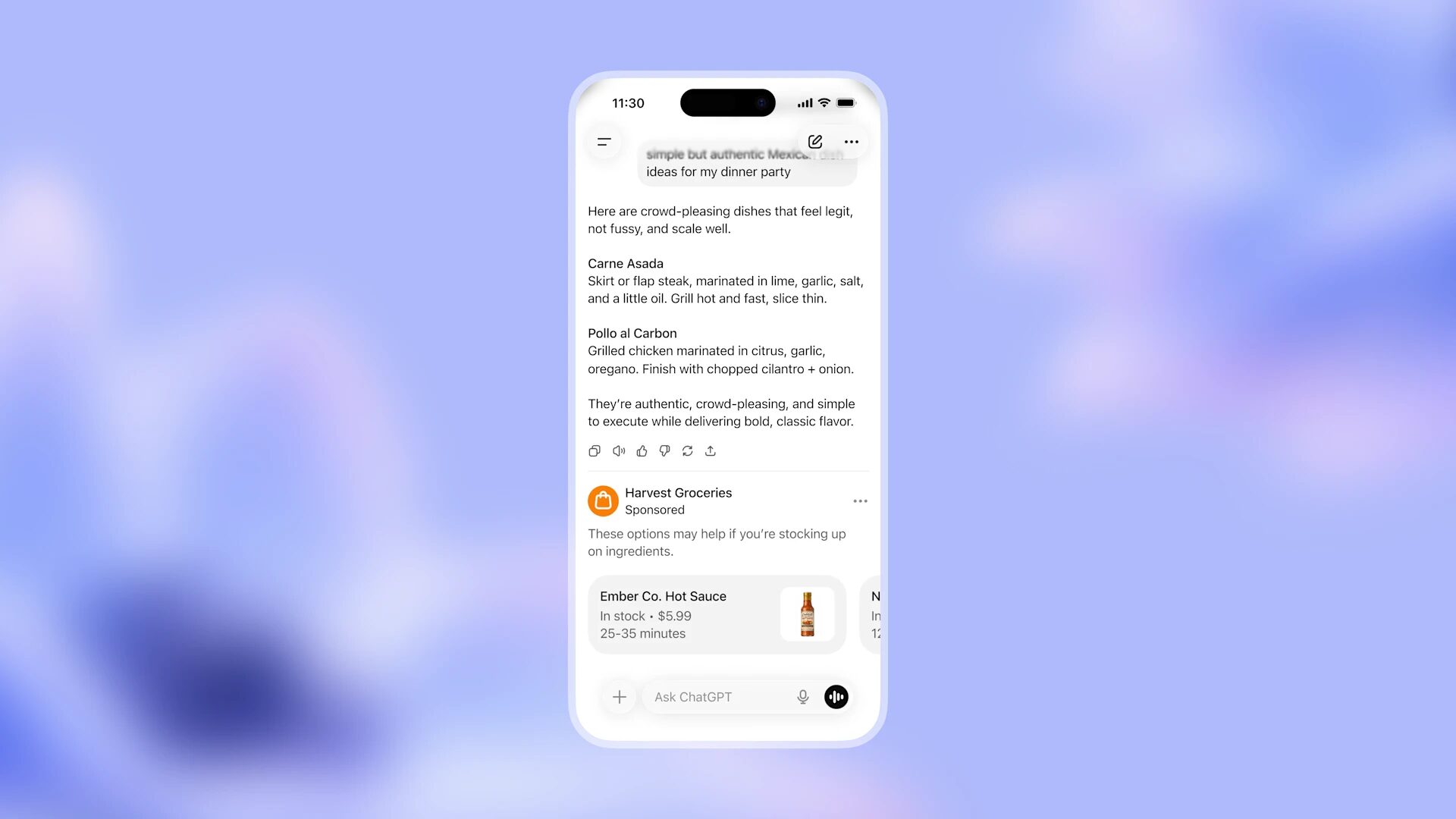
To further reduce barriers, OpenAI plans to begin testing advertising in the U.S. on the free and Go tiers in the coming weeks. The goal is to allow more users to access higher usage limits without paying, while keeping Pro, Business, and Enterprise subscriptions completely ad-free. Ads will initially appear at the bottom of responses when there is a relevant sponsored product or service connected to the conversation.
OpenAI is emphasizing that advertising will not influence how ChatGPT answers questions. The company says responses will remain driven by what is objectively helpful to the user, with ads clearly labeled and separated from organic content. User conversations will not be shared with advertisers, and data will not be sold. Users will also have control over ad personalization, with the ability to turn it off or clear associated data at any time.
During early testing, ads will only be shown to logged-in adults in the U.S. and will be excluded from sensitive or regulated topics such as health, mental health, and politics. Accounts identified as belonging to users under 18 will not see ads. OpenAI also notes that it is not optimizing for time spent in ChatGPT, prioritizing long-term trust and user experience over short-term ad revenue.
Looking ahead, OpenAI sees conversational ads as an opportunity to make advertising more interactive and genuinely useful. Instead of static messages, users may eventually be able to ask questions directly within ads to help make purchase decisions. The company also highlights the potential upside for small businesses and emerging brands, which could use AI-driven ad experiences to compete more effectively with larger players.
From a marketing perspective, this move signals a careful but meaningful shift. If OpenAI can successfully introduce ads without compromising trust, it could redefine how performance-driven advertising works inside conversational platforms. For marketers, the promise lies not just in reach, but in relevance and intent, with ads appearing in moments where users are actively seeking solutions rather than passively scrolling. That balance, if executed well, could make ChatGPT one of the most influential new environments in digital marketing.